At ETAP, we embrace our responsibility to lead the energy transition toward a cleaner, more resilient electric future.
Climate change is an energy challenge.
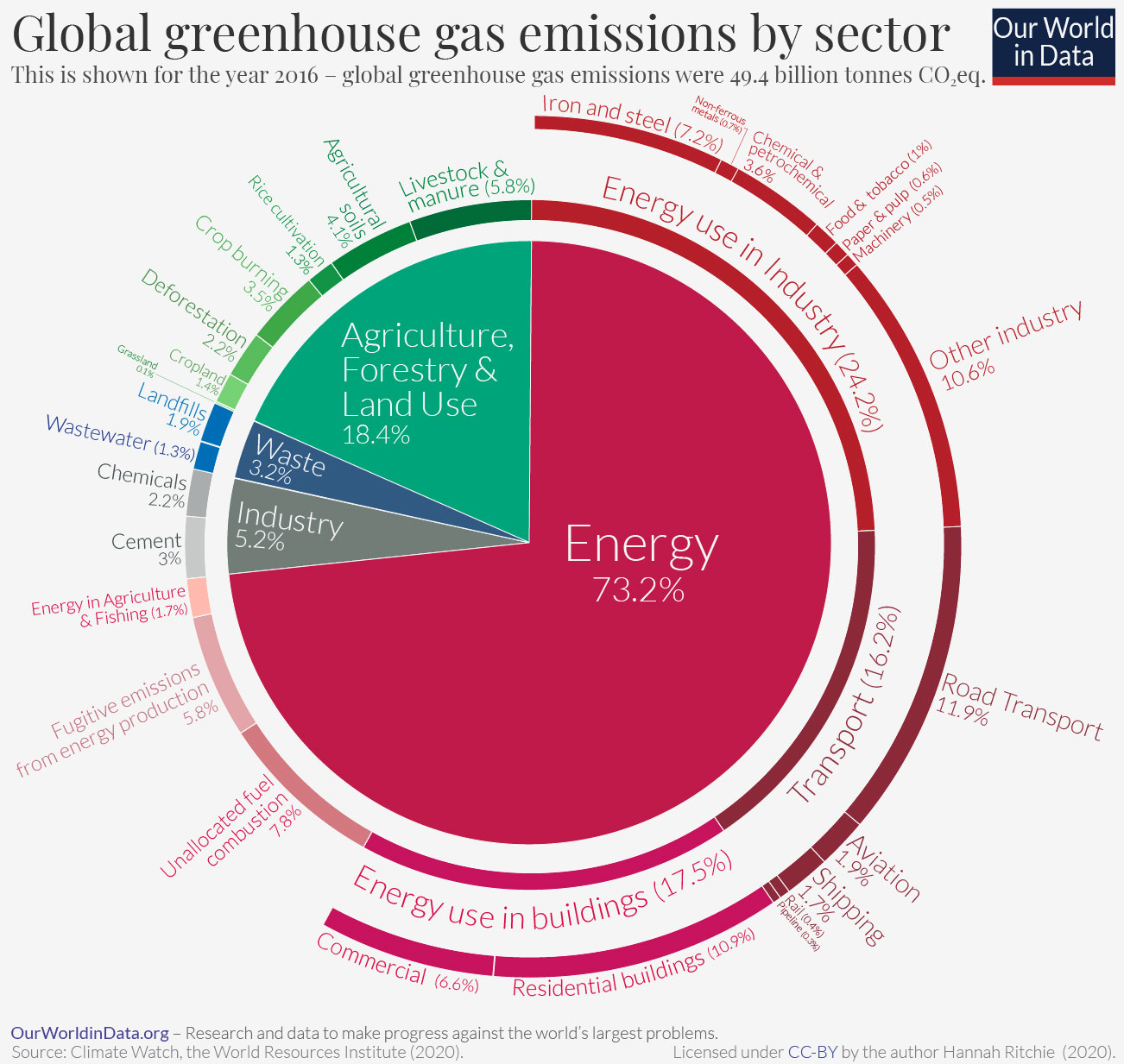
Fossil energy use is responsible for nearly three-quarters of global greenhouse gas emissions, making it a key driver of climate change. As an industry, we face an urgent and critical challenge: transitioning to low or near-zero emissions by 2050. This is not just an aspirational goal but an essential step for the well-being and survival of life on our planet.
Key Constraints
We recognize that transitioning to a net-zero world is about overcoming real, tangible challenges such as:



Key Constraints
Transitioning to a net-zero world is about overcoming real, tangible challenges.

Integrating Legacy Systems with New Technologies
Preparing for the future demands that we seamlessly blend the old with the new.

Balancing Supply and Demand
As distributed generation rises, maintaining equilibrium becomes an art form. It requires a deep understanding of the electrical system, and active data management.

Managing Energy Costs
Keeping energy affordable while driving sustainability is the challenge that will define our generation.

Ensuring System Performance and Safety
In a world where power is the lifeblood of our economies, guaranteeing continuous quality and reliability is non-negotiable.

Meeting Stringent Regulations
Staying ahead of ever-tightening regulations requires foresight, innovation, and a relentless commitment to excellence.
Discover how ETAP is used to achieve a positive sustainability impact
ETAP supports businesses through its digital twin-driven innovative solutions from design to operation. It closes the gap between sustainability ambition and action.
We want you, our customers in the energy industry, to be able to:
Leverage renewable energy sources, integrate EVs and reduce greenhouse gas emissions
If your goal is to integrate renewables and electric vehicles and reduce GHG emissions, you can use ETAP analytical tools to accurately simulate, predict, and plan renewable energy systems, including solar integration, battery sizing, and microgrid management. You can also explore clean energy sources like green hydrogen, safer nuclear, and other cutting edge clean energy resources. ETAP offers the flexibility and precision you need to reduce GHG emissions and optimize your power system, leveraging the full spectrum power system analysis calculation.


Case Study: Learn how Power Projects integrates wind turbines with optimal BESS sizing for FPSO using ETAP
Case Study: Learn how SEPCOIII is optimizing renewable plant control and power systems with ETAP
Case Study: How WEB Aruba uses ETAP Digital Twin for improved reliability of integrated solar and wind power
Increase energy efficiency and reduce total cost of ownership
ETAP has a comprehensive suite of tools that supports the design, sizing, management, and operations of your assets. Our solutions minimize distribution system losses and optimize power utilization, covering everything from cable sizing to network analysis of harmonics, load allocation, and system optimization through optimal flow and switching strategies. If you are responsible for an existing facility and aim to enhance energy efficiency, ETAP provides everything you need to achieve superior efficiency and cost-effectiveness.

Optimize the full life-cycle of an electrical system with an electrical digital twin
Lifecycle Optimization is a key pillar for a sustainable environment, allowing for anticipation, continuous learning and reactivity. By leveraging the electrical digital twin for real-time analysis and proactive asset management, ETAP is breaking through the traditional silos between design and operation, fostering genuine collaboration across stakeholders.
This approach unlocks predictive simulation and "what if" scenarios, where design data will help clarify your carbon footprint. Closing the loop at any time also contributes to the operational efficiency of your electrical system, leveraging all types of intelligent controls, including distribution management, power plant or microgrid controllers. The direct outcome of design-to-operate is a better understanding of the consequences of investment decisions, and the ability to fine tune your network like never before.


ETAP provides extensive training programs for engineers aiming to enhance their expertise in sustainability analysis. Our offerings include an advanced Operator Training Simulator that surpasses conventional training methods. This simulator enables operators to:
- Learn and adapt to new system behaviors
- Understand the dynamics of evolving systems
- Assess the consequences of actions during emergencies or unforeseen conditions
Operator Training Simulator (eOTS) is an invaluable resource for understanding the sustainability impact of operational decisions, empowering operators to contribute more effectively to sustainable practices.
Case Study: Learn how ADNOC uses ETAP digital twin and operator training to enhance power system efficiency
Case Study: How Skyworks improved energy efficiency in manufacturing with ETAP Digital Twin and PSMS
Ensure power quality and resilience of an electrical grid and deploy smart and microgrids
Enhancing Electric System Resilience
ETAP ensures high-quality power supply and reduces reliance on fossil fuel-based backup systems through innovative energy landscape designs. Our technology protects grid resilience by coordinating responses and restoring service to prevent device damage, and minimize interruptions - especially in DC systems.
Advancing Autonomous Operations
Manual operations often lead to inefficient energy use and higher costs, due to the lack of real- time adjustments. ETAP enables autonomous systems, including microgrids and powerplants, leveraging commercial off-the shelf controllers. Through integration with digital twin technology, this results in:
- Up to 20x improvement in energy efficiency
- Up to 15% increase in renewable energy utilization
- Up to 5% reduction in energy losses
- Up to 10% improvement in reliability
- Up to 20% economic efficiency over manual or fixed PLC-based systems
ETAP is at the forefront of driving these innovations towards more efficient and reliable energy.


Estimate and reach sustainability ambitions using carbon and environmental footprint analysis
ETAP has pioneered the integration of sustainability analysis within our electrical design software. This innovation enables precise documentation of carbon footprints using actual equipment data, planned operating scenarios and future upgrade plans directly from the digital twin. Eliminating estimations and guesswork, our model offers a straightforward numerical solution for comparing carbon footprints before and after any changes. It facilitates detailed greenhouse gas emissions calculations and lifecycle carbon footprint estimations, which are essential for achieving 24/7 carbon-free electricity. This tool is a critical first step in understanding your current environmental impact, and strategically planning for a sustainable future.

Explore ETAP solutions that enable digital and sustainable transformation